Periodontal Treatment Ventura for Preventing Serious Dental Complications
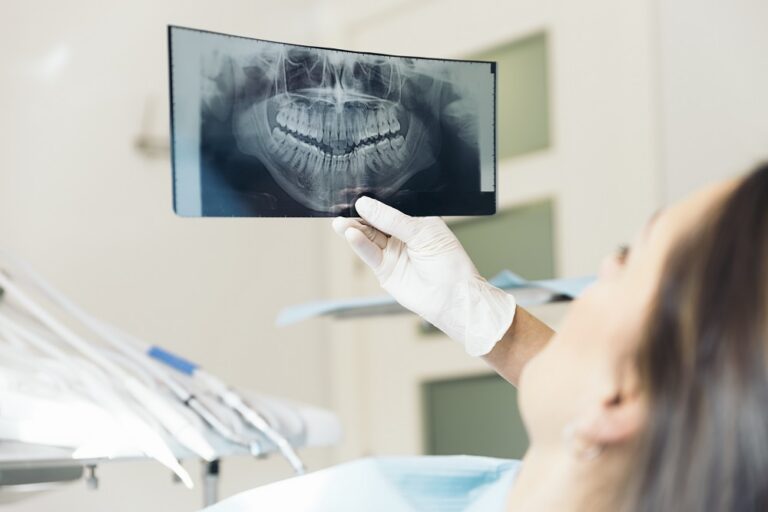
Healthy gums rarely get much attention until something starts to feel off. A little bleeding when brushing, a bad taste that lingers, tenderness near one back tooth, or the sense that the gums look lower than they used to. Many people dismiss those signs because gum disease tends to develop quietly. It often does not cause dramatic pain in the early stages, which is exactly why it becomes such a serious issue when it goes untreated.
Periodontal disease is not just a cosmetic concern, and it is not simply about having sensitive gums. It is an infection and inflammatory condition that affects the tissues supporting the teeth, including the gums, connective fibers, and bone. Left alone, it can progress from mild gingivitis to periodontitis, where the attachment around the teeth starts to break down. At that point, the consequences can become expensive, difficult, and sometimes irreversible.
For patients seeking Periodontal Treatment Ventura, the real value is not just cleaning up current inflammation. The deeper goal is preventing the cascade of problems that often follow neglected gum disease: loose teeth, shifting bite, persistent infection, painful abscesses, bone loss, and eventual tooth loss. Good periodontal care protects far more than a smile. It preserves function, comfort, and long-term oral stability.
Why gum disease becomes a bigger problem than people expect
One of the most misleading aspects of periodontal disease is how ordinary it can seem at first. A patient might say, “My gums bleed a little, but they always have,” or “I thought sensitivity near the gumline was just part of getting older.” Those are common assumptions. They are also risky ones.
The earliest stage, gingivitis, involves inflammation limited to the gum tissue. At this point, it is often reversible with professional cleaning and improved home care. Once the disease moves deeper and begins damaging the structures that anchor the tooth, treatment becomes more involved. The bacterial biofilm under the gums triggers an inflammatory response, and that response can gradually resorb bone. As bone support shrinks, the teeth can https://charlieuahr197.solsticebrief.com/posts/the-patient-s-guide-to-periodontal-treatment-ventura become mobile, spaces may open up, and chewing forces no longer distribute the way they should.
What makes this progression especially frustrating is that patients can feel relatively fine while the damage continues. I have seen cases where someone came in only because they wanted a routine cleaning, then learned they had several deep periodontal pockets and measurable bone loss on X-rays. They were shocked because they had little or no pain. That pattern is common.
In practical terms, periodontal disease threatens the foundation of the teeth. A cavity can often be repaired with a filling or crown if caught early. Advanced gum disease, by contrast, compromises the supporting system itself. Once support is lost, saving the tooth becomes more complex and less predictable.
The complications dentists work hard to prevent
When people hear “serious dental complications,” they often imagine dramatic infections or emergency tooth extractions. Those certainly happen, but periodontal disease can create a broad range of problems before it ever reaches that point.
A chronic periodontal infection can deepen pockets around the teeth, making it harder for patients to clean effectively at home. That creates a self-reinforcing cycle. More plaque collects below the gumline, inflammation worsens, tissues recede, and root surfaces become exposed. Exposed root surfaces are softer than enamel and more vulnerable to decay and sensitivity. At the same time, food traps develop in new spaces between teeth, which can irritate the gums even further.
Bite changes are another underappreciated consequence. As periodontal support weakens, teeth may drift or flare. Patients sometimes notice that front teeth no longer touch the same way, or that one area feels “high” when they chew. In moderate to advanced cases, mobility becomes noticeable. That can make eating uncomfortable and can undermine confidence in speaking and smiling.
Then there is the risk of acute flare-ups. A long-standing periodontal problem can turn into a painful localized infection, sometimes with swelling, pus drainage, or throbbing discomfort. Those episodes are not only unpleasant, they are often signs that chronic disease has reached a more destructive phase.
Tooth loss remains the complication patients fear most, and for good reason. Replacing missing teeth can be expensive and time-consuming. Bridges, dentures, and implants each have their place, but none are as simple or as biologically efficient as preserving natural teeth whenever possible. Periodontal treatment is often the intervention that gives those natural teeth a fighting chance.
What periodontal treatment actually addresses
The phrase “periodontal treatment” covers more than one procedure. The right approach depends on the stage of disease, the patient’s general health, the pattern of bone loss, and how well home care can be improved.
At the early end, treatment may focus on a thorough professional cleaning and targeted coaching on brushing and interdental plaque removal. When disease has progressed below the gumline, scaling and root planing is commonly recommended. This deep cleaning removes bacterial deposits and calculus from root surfaces and smooths the roots so the gums can reattach more favorably. It is not a cosmetic polish. It is a therapeutic procedure aimed at reducing bacterial burden and inflammation in the pockets.
Some patients benefit from localized antimicrobial therapy, more frequent periodontal maintenance, or referral to a periodontist for surgical management if pocket depths remain too deep to maintain. In more advanced situations, treatment may involve flap procedures to gain access to deep deposits, regenerative efforts in selected defects, or grafting to address recession and reinforce vulnerable tissue.
What matters most is that periodontal care is not one-size-fits-all. Two patients can have similar bleeding or similar pocket measurements and still need different plans based on anatomy, smoking status, diabetes control, grinding habits, and consistency with home care.
Signs that should never be brushed aside
Patients often wait longer than they should because gum disease tends to feel less urgent than a broken tooth or a visible cavity. The warning signs are usually there, but they are easy to normalize.
- Bleeding during brushing or flossing that happens regularly rather than once in a while
- Persistent bad breath or a recurring unpleasant taste
- Red, puffy, or tender gums, especially around certain teeth
- Gum recession, longer-looking teeth, or new sensitivity near the roots
- Loose teeth, shifting teeth, or changes in how the bite fits together
None of these automatically means severe periodontitis, but each deserves professional evaluation. The earlier the disease is identified, the more conservative and effective the treatment tends to be.
Why timing makes such a difference
There is a major difference between treating active inflammation early and trying to stabilize damage after years of progression. In early disease, the body often responds well once the bacterial load is reduced and daily plaque control improves. Bleeding can decrease quickly, tenderness may resolve, and tissues can tighten up noticeably within weeks.
When disease has advanced, treatment can still be very worthwhile, but the goals change. Instead of full reversal, the focus may shift to halting progression, preserving remaining bone, and retaining teeth that still have useful long-term potential. That is a meaningful success, but it is not the same as restoring untouched support.
Timing also affects cost and complexity. A patient who addresses gingivitis might need a professional cleaning and a change in home care. A patient who waits until several teeth are mobile may face deep scaling, surgery, splinting, extractions, bone grafting, and replacement options. The financial difference can be substantial. So can the emotional toll.
This is one reason dentists emphasize periodontal charting and routine X-rays even when patients feel fine. Those tools reveal what a casual glance in the mirror cannot.
The Ventura factor: local habits, lifestyle, and why consistency matters
Periodontal disease behaves similarly everywhere, but local lifestyle patterns still influence what dentists see in practice. In a community like Ventura, patients often lead active lives, juggle work and family schedules, and sometimes postpone treatment because symptoms are not severe enough to disrupt the day. That delay is understandable, but gum disease tends to use that time well.
For people exploring Periodontal Treatment Ventura, a key point is accessibility and follow-through. The best treatment plan on paper will not protect a patient who disappears for two years and returns only when a tooth starts hurting. Periodontal health is maintained through a relationship, not a one-time fix. That means regular evaluations, realistic home care strategies, and interval cleanings tailored to disease history rather than guesswork.
Ventura patients also vary widely in age and risk profile. A healthy person in their thirties with localized early bone loss needs a different conversation than a retiree managing diabetes, dry mouth, and decades of restorations. Effective care accounts for those differences without oversimplifying them.
The role of risk factors that complicate gum health
Not every case of periodontal disease progresses at the same pace. Some people accumulate plaque and show only mild inflammation. Others experience significant breakdown despite appearing fairly diligent at home. That difference is often explained by risk factors.
Smoking remains one of the most significant. It impairs blood flow and alters the body’s response to infection. Smokers can have severe periodontal destruction with less visible bleeding, which makes the disease easier to underestimate. Diabetes is another major factor, especially when blood sugar is poorly controlled. The relationship goes both ways: uncontrolled diabetes can worsen periodontal disease, and periodontal inflammation can make glycemic control more difficult.
Dry mouth, certain medications, hormonal shifts, clenching or grinding, crowded teeth, and older dental work that traps plaque can all make the situation harder to manage. Genetics may also influence how aggressively someone responds to bacterial challenge.
This is why a careful dentist does more than point out tartar and recommend flossing. Real periodontal treatment involves identifying what is driving the disease in that individual patient. Without that level of judgment, treatment becomes temporary damage control.
What a thorough periodontal evaluation should include
A proper periodontal evaluation is more than a quick look at the gums. It usually includes measurements around each tooth to identify pocket depths, an assessment of bleeding points, gum recession, mobility, furcation involvement in molars, and radiographs to evaluate bone levels and calculus that may not be visible clinically.
Those numbers matter because they shape treatment decisions. A 2 or 3 millimeter sulcus that does not bleed is a very different environment from a 6 or 7 millimeter pocket with bleeding and bone loss. The deeper the pocket, the harder it is for patients to disrupt plaque on their own. That is where professional intervention becomes essential.
Patients sometimes worry when they hear a series of numbers being called out during an exam. In reality, that process is a sign of thoroughness. It gives the dental team a baseline and allows them to track whether treatment is working over time.
Treatment is only half the job
One of the hardest truths about periodontal care is that successful treatment still requires patient participation. A deep cleaning can remove what is currently under the gums, but it cannot prevent new biofilm from forming tomorrow. Gums heal in cleaner environments, and they relapse in neglected ones.
That does not mean patients need perfection. It means they need a practical routine that they can repeat consistently. For some, that is an electric toothbrush and floss. For others, especially where spacing or gum recession is present, interdental brushes or water flossing may be more realistic and effective. The right home care plan is the one a patient will actually use well, not the one that sounds ideal in theory.
This is where skilled dental teams make a difference. Instead of delivering generic instructions, they troubleshoot. If a patient says floss shreds around a crown, that needs to be addressed. If arthritis makes traditional floss unrealistic, a different device should be recommended. If bleeding makes someone avoid cleaning a tender area, they need to understand that avoiding it often lets inflammation worsen.
Recovery and what patients should expect after treatment
After nonsurgical periodontal therapy, many patients notice a few predictable changes. Gums may feel tender for a day or two, especially if inflammation was significant before treatment. Cold sensitivity can increase temporarily because swollen tissue shrinks as it heals, exposing more root surface. Some areas may look a bit more recessed than they did before, which can be alarming unless it was discussed in advance.
Those changes do not mean the treatment failed. Often, they reflect reduced inflammation and tighter tissue adaptation. What matters is what happens over the next several weeks. Bleeding should decline, gums should look less puffy, and home care should become easier because the tissues are less irritated.
A few practical habits support smoother healing:
- Use a soft-bristled toothbrush and clean gently but thoroughly, even if the gums feel tender
- Follow any antimicrobial rinse or medication instructions exactly as prescribed
- Choose softer foods for the first day if deep areas were treated extensively
- Avoid smoking, which can delay healing and blunt improvement
- Keep the follow-up visit, because tissue response has to be reevaluated rather than assumed
Patients who understand this phase tend to do better because they are not thrown off by temporary sensitivity or changes in appearance.
When specialist care becomes the right call
General dentists manage many periodontal cases very effectively, particularly mild to moderate disease and ongoing maintenance. There are also situations where a periodontist brings added value. Deep persistent pockets, advanced bone loss, complex root anatomy, severe recession, implant-related gum concerns, or defects that may benefit from regenerative techniques often warrant referral.
That is not a sign that the case has “gone wrong.” It is simply the right use of specialized training. The best outcomes usually come from collaborative care, where the general dentist and periodontist coordinate diagnosis, active treatment, and long-term maintenance.
Patients sometimes resist specialist referral because they assume it means surgery is inevitable. That is not always the case. Sometimes a periodontist confirms the diagnosis, fine-tunes the plan, and helps stabilize the patient with conservative treatment and maintenance intervals that are more effective than what was being done before.
The long view: maintenance prevents relapse
Once a patient has had periodontitis, they remain more vulnerable to recurrence. That is why periodontal maintenance exists. It is different from a standard cleaning in both purpose and detail. Maintenance visits focus on monitoring pocket depths, bleeding, plaque retention, tissue changes, and areas that are relapsing before the patient notices a problem.
Three-month intervals are common for many patients after active periodontal therapy, though not everyone needs the same schedule forever. Some can later move to four-month intervals. Others with higher risk, especially smokers or poorly controlled diabetics, may need close monitoring long term.
From a clinical standpoint, this maintenance phase is where teeth are often saved. Small changes are caught early. Areas that trap plaque are identified. Home care can be reinforced before inflammation becomes destructive again. Patients who disappear after initial treatment frequently return with disease that has reactivated in the same vulnerable sites.
Protecting natural teeth is usually the least invasive option
There is a temptation in some cases to think, “If the gum disease is bad, maybe it is easier to remove the tooth and replace it.” Sometimes extraction is necessary. Teeth with severe attachment loss, vertical root fractures, nonrestorable decay, or poor strategic value may not be worth heroic treatment. But that judgment has to be made carefully.
Saving a natural tooth with manageable periodontal disease is often more conservative than extracting it and moving into implant or prosthetic treatment. Implants can be excellent solutions, but they are not immune to complications. They require healthy surrounding tissue, adequate bone, and meticulous maintenance. A patient with uncontrolled periodontal disease can also develop inflammatory problems around implants.
That is why thoughtful Periodontal Treatment Ventura should focus first on accurate diagnosis and realistic preservation. The goal is not to save every tooth at any cost. It is to preserve what can be predictably maintained, remove what cannot, and support the health of the entire mouth.
A practical mindset for patients who suspect a problem
The best first step is simple: do not self-diagnose based on pain alone. If your gums bleed regularly, if your teeth look longer, if food packs between teeth more than it used to, or if your bite feels different, get it checked. Waiting for severe pain is a poor strategy with periodontal disease because pain often arrives late.
Patients also do well when they stop thinking in terms of blame. Gum disease is influenced by hygiene, yes, but also by biology, medical history, anatomy, habits, and access to care. Shame keeps people away from the dental chair. Good treatment starts when patients come in honestly, ask questions, and commit to the next step.
Serious dental complications rarely appear overnight. More often, they grow out of small signs that were ignored, normalized, or postponed. The encouraging part is that periodontal disease gives many opportunities for intervention if those signs are taken seriously. With prompt diagnosis, tailored treatment, and steady maintenance, many patients can avoid the bone loss, mobility, infections, and tooth loss that advanced disease too often brings.
That is the real promise of periodontal care. It is not just cleaner teeth or fresher breath. It is preserving the structures that let the mouth work the way it should, comfortably, reliably, and for as long as possible.
Avra Dental
Address: 1708 S Victoria Ave B, Ventura, CA 93003
Phone number: (805) 941-1001
FAQ About Periodontal Treatment Ventura
Can a dentist get rid of periodontal disease?
A dentist or gum specialist (periodontist) cannot fully cure or reverse advanced periodontal disease (periodontitis), but they can successfully stop its progression and manage the infection.
Is periodontitis very serious?
Yes, periodontitis is a very serious, advanced form of gum disease that destroys the bone and tissues supporting your teeth.
How is stage 2 periodontal disease treated?
Stage 2 periodontal disease (early to moderate periodontitis) is primarily treated with non-surgical deep cleaning procedures like scaling and root planing to remove bacteria and tartar below the gumline.